



2025 Blockchain Forensics Standards: A Comprehensive Guide for Digital Asset Protection in Vietnam
With $4.1 billion lost to DeFi hacks in 2024, understanding blockchain forensics has never been more critical. As Vietnam continues to emerge as a leading market for cryptocurrency adoption, the need for robust security frameworks becomes increasingly apparent. This article will delve into the essential standards of blockchain forensics and how they can aid in protecting digital assets in Vietnam. We’ll explore various techniques, tools, and methodologies that ensure effective asset protection and compliance with local regulations.
Understanding Blockchain Forensics
Blockchain forensics is the process of analyzing blockchain data to uncover suspicious activities, track unauthorized transactions, and provide evidence for investigations. It is like a security system for digital assets, where forensic experts act as detectives, sifting through transaction histories and patterns to recover lost funds or identify illicit activities.
According to recent studies, Vietnam’s cryptocurrency user base has grown by 46% year-over-year. As more Vietnamese engage in crypto investments, the demand for blockchain forensics is set to rise. A robust framework can aid in recognizing fraudulent activities and ensuring investments are safe.
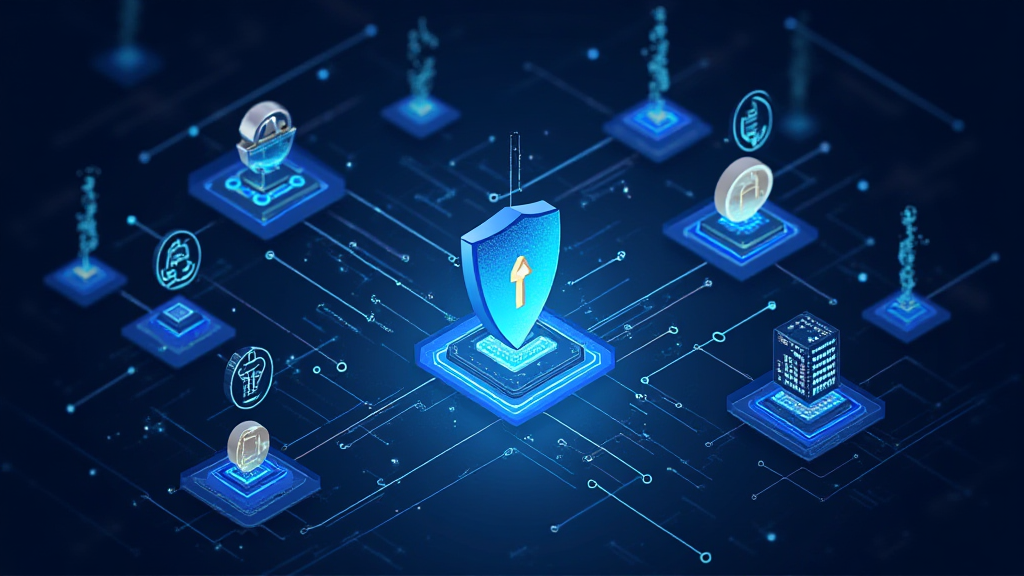
The Importance of Blockchain Forensics in Vietnam
- Detection of Fraud: It helps identify scams and fraudulent schemes.
- Recovery of Assets: Ensures the tracing and recovery of lost or stolen assets.
- Regulatory Compliance: Assists businesses in adhering to local laws and guidelines.
Key Techniques in Blockchain Forensics
To safeguard assets, understanding various forensics techniques is essential. Here are a few primary methods:
- Transaction Tracing: Following the flow of funds through digital wallets, allowing forensic analysts to trace back to the source of transactions.
- Address Clustering: Grouping wallet addresses that are controlled by the same entity, which helps identify potentially malicious actors.
- Behavioral Analysis: Examining patterns and behaviors associated with transactions to distinguish between legitimate and suspicious activities.
Each of these techniques enhances the understanding of transaction flows and strengthens security measures in dealing with cryptocurrencies.
Tools and Software for Blockchain Forensics
Several tools are available to aid in blockchain forensic investigations. Some notable tools include:
- Elliptic: Provides a suite of blockchain analytics tools, allowing organizations to manage risk and comply with regulations.
- Chainalysis: A leading provider in blockchain analysis, essential for tracking transactions and monitoring suspicious activities.
- CipherTrace: Offers cryptocurrency intelligence solutions that help businesses prevent fraud and comply with regulations.
Utilizing these tools enhances the effectiveness of forensics analysis and improves overall security posture.
Vietnam Blockchain Security Trends 2025
With the rapid evolution of the blockchain space, understanding current and future trends is vital:
- Increased Regulatory Focus: Governments will likely ramp up regulations around cryptocurrencies, making forensics expertise crucial.
- Adoption of Advanced Technologies: AI and machine learning will play a significant role in improving forensics capabilities.
- Growing User Base: As more users join the crypto ecosystem, the complexity of forensics will increase, necessitating advanced tools.
How to Audit Smart Contracts for Forensics
Auditing smart contracts is a critical process that involves verifying the code and ensuring it operates according to its intended purpose. Here’s a simplified breakdown:
- Manual Code Review: Developers inspect the code line by line for potential vulnerabilities.
- Automated Testing: Utilize tools that simulate various scenarios to identify vulnerabilities.
- Third-Party Audits: Engage external auditors for an unbiased review.
The importance of auditing can’t be overstated, especially in the context of Vietnam, where regulations are evolving.
Future Outlook for Blockchain Forensics in Vietnam
As the use of cryptocurrencies expands, investing in blockchain forensics will be vital for both investors and regulators. Here are a few predictions for 2025:
- Enhanced Cooperation with Financial Institutions: Collaboration between forensic experts and banks will improve fraud detection.
- Development of Local Forensic Firms: We may see the rise of domestic companies specializing in blockchain security.
- Education and Training Programs: Institutions will likely establish programs to educate the workforce on forensics techniques and blockchain technologies.
Conclusion: Ensuring Security with Blockchain Forensics in Vietnam
In conclusion, blockchain forensics represents a pivotal element in safeguarding digital assets within the Vietnamese market. By understanding and implementing the various techniques and tools, users can significantly reduce their risk and ensure compliance with local regulations. As the crypto landscape continues to evolve, staying informed about advancements in forensics will be paramount for investors and institutions alike.
To learn more about blockchain forensics standards in Vietnam and how they can protect your assets, visit ccoinshop.
Author: Dr. Minh Nguyen, a renowned blockchain expert with over 15 published papers in the field, has led several notable crypto audit projects.


