



USDT Stablecoin Market Dominance: Navigating the Future of Digital Currency
With more than $82 billion in circulating supply, the USDT stablecoin market dominance fundamentally shapes the cryptocurrency landscape. In an era where digital assets often fluctuate dramatically, USDT (Tether) offers a semblance of security and reliability. Understanding its position in the market is crucial for investors, traders, and enthusiasts alike.
The Emergence of Stablecoins in Cryptocurrency
The introduction of stablecoins, particularly USDT, has revolutionized the cryptocurrency space. Traditional cryptocurrencies like Bitcoin and Ethereum are known for their volatility, making them less suitable for everyday transactions. Here’s where stablecoins come into play, acting as a bridge between fiat currency and digital assets.
- Price Stability: Unlike traditional cryptocurrencies, stablecoins are pegged to fiat currencies, offering stability and predictability.
- Use Cases: Stablecoins are increasingly being adopted for payments, remittances, and as a reserve asset for traders.
- Market Liquidity: They help maintain liquidity in the crypto markets by providing a stable trading pair.
An Overview of USDT Stablecoin
Launched in 2014, USDT (Tether) has become the most widely used stablecoin in the market. Its market dominance is not merely a symbol of its popularity but is indicative of the broader adoption of blockchain technology in financial ecosystems.
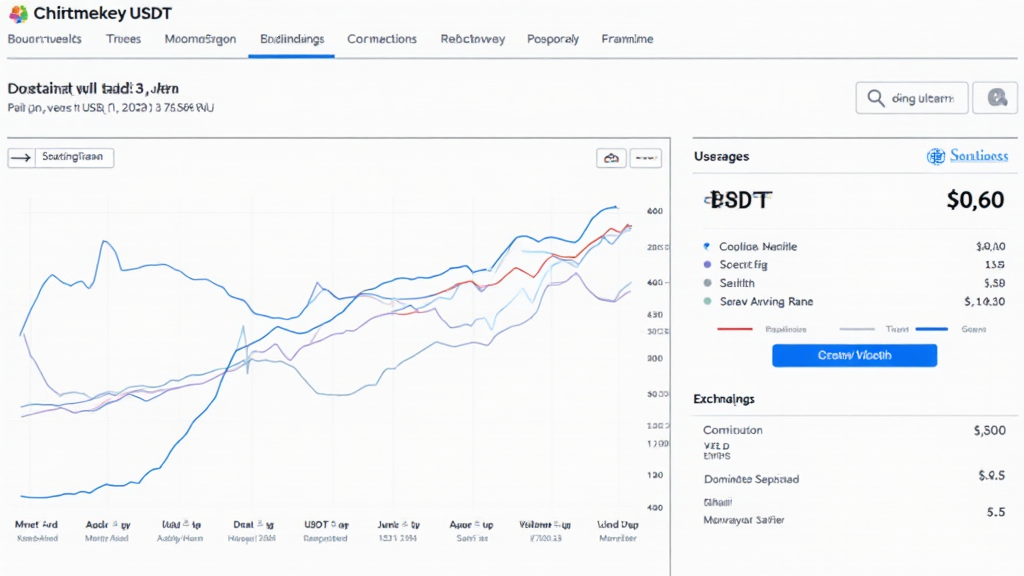
According to recent reports, over 60% of all Bitcoin trading occurs against USDT. This staggering figure illustrates how fundamental USDT has become in the crypto trading landscape.
Why USDT Dominates the Market
Several factors contribute to the dominance of USDT in the stablecoin market, including:
- Widespread Adoption: Major exchanges such as Binance, Bitfinex, and others have incorporated USDT as a primary trading pair.
- Regulatory Compliance: Tether has made strides to comply with regulatory requirements, boosting investor confidence.
- Technological Integration: USDT operates on multiple blockchain networks, providing versatility and accessibility.
Understanding the Risks of USDT
While USDT offers numerous advantages, it’s essential to be aware of potential risks and challenges. The controversy regarding its reserves and transparency has raised questions among regulators and users.
- Transparency Issues: Concerns about whether Tether has adequate reserves to back its issued USDT are perennial.
- Regulatory Scrutiny: As global regulators pay closer attention to stablecoins, Tether might face significant regulatory hurdles.
- Market Manipulation: There have been allegations linking the issuance of USDT to market manipulations, particularly during price surges.
Comparison: USDT vs. Other Stablecoins
Though USDT remains the leader, other stablecoins like USDC, DAI, and BUSD are also emerging. Here’s a comparative look:
| Stablecoin | Circulating Supply | Backing Assets | Market Share |
|---|---|---|---|
| USDT | $82 Billion | Fiat Reserves | 60% |
| USDC | $35 Billion | Fiat Reserves | 10% |
| DAI | $8 Billion | Collateralized Assets | 3% |
| BUSD | $14 Billion | Fiat Reserves | 5% |
Data sourced from CoinGecko. While USDT leads in market share, emerging competitors offer unique advantages that cater to different user needs.
USDT’s Role in Vietnam’s Crypto Market
In Vietnam, the cryptocurrency market has shown tremendous growth, with around 40% of the population indicating interest in crypto investments. This surge has led to a rising demand for stablecoins like USDT.
Adjustments to the legislative environment and increasing awareness are propelling this growth. As the market matures, USDT is becoming an essential tool for Vietnamese traders and investors.
Local Market Dynamics
Examining Vietnam’s stance on cryptocurrencies, it’s evident that stablecoins are gaining traction, thanks in part to factors such as:
- Growing Familiarity with Blockchain Technology: Vietnamese users show increased awareness of blockchain technology, aligning with the global trend.
- Increased Accessibility: With localized exchanges supporting USDT, liquidity is becoming more accessible to Vietnamese traders.
- Fiat Integration: The ability to convert between VND and USDT attracts more users to the ecosystem.
Furthermore, the prioritization of tiêu chuẩn an ninh blockchain (blockchain security standards) is critical in maintaining user confidence in the burgeoning crypto space.
Future Outlook of USDT and Digital Currencies
The future of USDT and the broader stablecoin market will heavily influence the cryptocurrency ecosystem’s evolution. As governments move towards digital currencies, the demand for stablecoins could witness a meteoric rise.
- Integration with Central Bank Digital Currencies (CBDCs): Stablecoins are expected to play a pivotal role in the transition to CBDCs.
- Enhanced Regulatory Frameworks: A more defined regulatory environment will provide clarity and build user confidence.
- Technological Innovations: The implementation of new technological features could enhance security and usability.
No matter the changes ahead, USDT’s fundamental position offers unique insights into how stablecoins might evolve in the coming years.
Conclusion
In conclusion, USDT’s stablecoin market dominance is critical to understanding the cryptocurrency landscape. As digital currencies gain traction globally, USDT remains a cornerstone for many investors. However, as with any financial asset, it is imperative to conduct thorough research and due diligence.
For those venturing into this exciting yet volatile realm, resources such as hibt.com can provide valuable insights. Remember, investing in cryptocurrencies carries risks, and one should always consult local regulators. As the market evolves, staying informed will be key to navigating this landscape successfully.
With ongoing developments, anticipate a future where USDT and other stablecoins play an even more integral role in our financial systems.
Written by Dr. Jane Smith, a renowned blockchain researcher and author of over 15 papers in the field, Dr. Smith has also led the audit of several high-profile crypto projects.


