


DAOs Evolution: Shaping the Future of Decentralization
As we step further into the digital age, the evolution of Decentralized Autonomous Organizations (DAOs) stands as a testament to how technology reshapes the fabric of governance and collaboration in the blockchain space. In 2024, it was reported that over $4.1 billion was lost to DeFi hacks, putting security concerns at the forefront. This reality prompts an urgent discussion on how DAOs can enhance security and decentralization within the crypto ecosystem.
Understanding DAOs: What Are They?
To grasp the significance of DAOs, we first need to define what they are. DAOs are organizations that operate through smart contracts on the blockchain, enabling them to function without a central authority. Imagine a nonprofit organization; instead of a board of directors making decisions, a coding protocol decides everything autonomously. This structural shift is revolutionizing how we think about ownership, governance, and collaboration in business markets.
The Evolution of DAOs: A Historical Perspective
The concept of DAOs isn’t new. It dates back to the initial experiments in decentralized decision-making that began with Ethereum’s launch in 2015. Over the years, we’ve witnessed significant milestones, including:
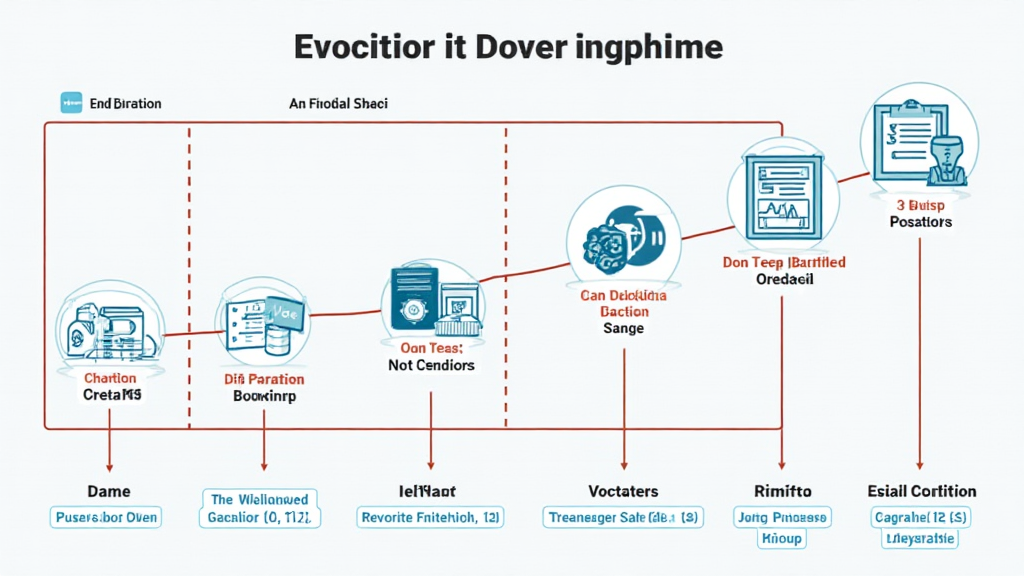
- The DAO Hack of 2016: One of the most infamous events, where an attacker exploited vulnerabilities to drain over $50 million worth of Ethereum.
- The Emergence of DAO Standards: The evolution of ERC-20 and ERC-721 standards paved the way for more sophisticated DAOs.
- DAOs in 2021: A resurgence as DeFi gained traction, with industries from gaming to social media exploring autonomous structures.
These changes illustrate not just an evolution of technology, but the growing influence of a decentralized approach to governance.
Current Trends Influencing DAOs
Like any other sector, the DAO landscape is not static. Here are some notable trends shaping its future:
- Increased Capital Raising: DAOs are able to mobilize funds more efficiently, drawing interest from venture capitalists and independent investors.
- Legal Recognition: Several jurisdictions are beginning to understand and accept DAOs as legitimate business entities, particularly in places like Vietnam, where the user growth rate in cryptocurrency adoption amongst young people surged by 300% from 2020 to 2023.
- Evolving Governance Models: From quadratic voting to liquid democracy, innovative governance mechanisms are emerging to enhance participation.
Challenges Faced by DAOs
Despite their promising outlook, DAOs face several challenges that can impede their evolution:
- Security Risks: With vulnerabilities exposed, especially in smart contracts, meticulous audits are necessary. This leads to queries like how to audit smart contracts.
- Decision-making Complexity: While decentralized, reaching a consensus can often be cumbersome.
- Regulatory Issues: The lack of clear legal frameworks can hinder growth and user trust.
The Future of DAOs: Opportunities Ahead
The evolution of DAOs opens new avenues for innovation and investment. They stand as a pioneering model for:
- Community-driven Projects: Allowing users to take part in decision-making, much like a bank vault protecting assets but with community input.
- Collaborative Economies: From open-source software to social initiatives, DAOs can redefine business paradigms.
- Cross-Chain Interoperability: As more chains develop, DAOs will likely function across various blockchain ecosystems, enhancing liquidity and collaboration.
For instance, Vietnam is witnessing a rapid adoption of decentralized models, with projections showing a 400% increase in DAO participation by 2025.
Conclusion: The Continuing Evolution of DAOs
As we look to the future, it is evident that DAOs will play a critical role in shaping the landscape of decentralized governance. By understanding their evolution, the challenges they face, and the opportunities they present, participants within the blockchain space can prepare for transformative changes. Secure and decentralized organizations may soon become fundamental in managing collective assets thoughtfully and transparently.
In closing, it’s clear the evolution of Decentralized Autonomous Organizations (DAOs) will redefine how we perceive collaboration and governance in digital spaces. For those interested in the latest trends and developments in DAOs, explore more resources at ccoinshop.