



Exploring Blockchain Scalability Solutions: Navigating the Future of Digital Foundations
With over $4.1 billion lost to DeFi hacks in 2024, the need for reliable blockchain scalability solutions has never been greater. As the cryptocurrency ecosystem expands, maintaining network efficiency while ensuring security is vital for user confidence and adoption. In this article, we will explore various strategies, technologies, and real-world applications that are shaping the scalability landscape in the blockchain sphere, especially focusing on the burgeoning market in Vietnam.
Understanding Blockchain Scalability
In simple terms, blockchain scalability refers to the capability of a blockchain network to handle an increasing number of transactions without compromising performance. As user adoption grows, platforms face challenges such as:
- Transaction Speed
- Cost Efficiency
- Network Congestion
The need for efficient blockchain scalability solutions is critical. According to recent data, Vietnam has seen a remarkable year-on-year increase of 30% in cryptocurrency users, highlighting the urgency for robust scalability solutions that can support this growth.
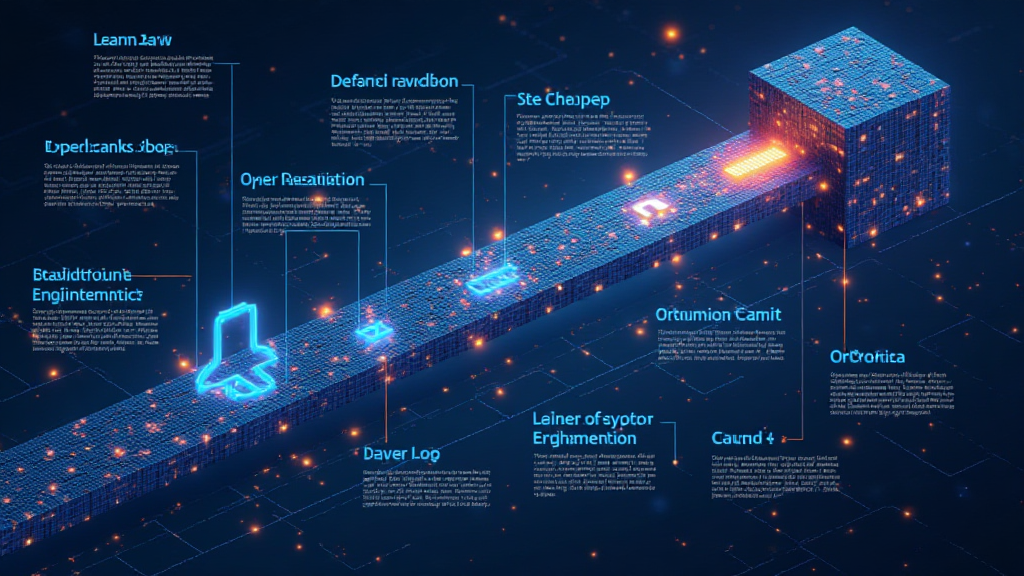
Layer 1 Solutions: Enhancing Base Protocols
Layer 1 solutions involve modifying the base blockchain protocol itself to enhance scalability without relying on secondary frameworks. This can be achieved through:
- Increased Block Size: Expanding the block size allows more transactions per block. However, this solution can lead to decentralization issues if not managed well.
- Alternative Consensus Mechanisms: Moving away from traditional proof-of-work towards proof-of-stake or delegated proof-of-stake can drastically improve transaction times and reduce costs.
- Sharding: This involves partitioning the blockchain into smaller, manageable pieces, allowing for parallel processing of transactions.
Real-life implementation of Layer 1 improvements includes Ethereum’s transition to a proof-of-stake mechanism with Ethereum 2.0, aimed at supporting larger transaction volumes.
Layer 2 Solutions: Building on Existing Frameworks
Layer 2 solutions operate atop the base layer, leveraging the existing blockchain without making changes to it. Key approaches include:
- State Channels: These allow transactions to occur off-chain, significantly increasing transaction speeds and reducing costs. Once transactions are complete, results are recorded on the blockchain.
- Sidechains: These are separate blockchains linked to the main chain via a two-way peg, allowing assets to be transferred while maintaining their integrity.
- Rollups: Rollups bundle multiple transactions into a single one. This minimizes data size on the main chain, enhancing throughput without compromising security.
For Vietnam, implementing Layer 2 solutions could enhance user experience significantly, catering to the rising demands of local crypto users.
Real-World Applications and Use Cases
The practical implications of blockchain scalability solutions can be observed across various sectors:
- Finance: With the rise of decentralized finance (DeFi), scalability is critical for ensuring smooth transactions and user interactions.
- Supply Chain Management: Leveraging blockchain for tracking products in real-time demands efficient transactional throughput.
- Gaming: The gaming industry requires quick interactions and high transaction volumes; blockchain scalability solutions can facilitate seamless user experiences.
The integration of these solutions can transform sectors, ensuring that businesses leverage blockchain’s full potential.
The Future of Blockchain Scalability Solutions
Looking forward to 2025, the focus will shift towards innovation and platform interoperability. New frameworks that support cross-chain transactions will emerge, creating a more interconnected blockchain economy. As the Vietnamese crypto market expands, adopting these advanced solutions will be essential for local businesses to compete on a global scale.
For instance, government initiatives promoting blockchain education and infrastructure development can further enhance the scalability landscape in Vietnam. Enhancements to security and user accessibility will position the nation as a leader in blockchain adoption.
Conclusion
In summary, the evolution of blockchain scalability solutions is crucial for the future trajectory of digital assets. With user growth rates surging in Vietnam and beyond, investing in effective blockchain scalability strategies is imperative to harness the full potential of decentralized technologies. As we navigate through these transformations, we can expect a more efficient, secure, and user-friendly blockchain ecosystem.
For those interested in exploring more about the blockchain landscape, check out our detailed guides and resources here: hibt.com.
**Please note:** This article is not financial advice. Always consult with local regulations when engaging with cryptocurrencies.
Written by Dr. Alex Tran, a blockchain researcher with over 15 published papers in the field and a significant role in auditing several well-known crypto projects.


