


Data Availability Layers: A Game Changer in Blockchain Technology
With approximately $4.1 billion lost to DeFi hacks in 2024 alone, the necessity for improving blockchain security and efficiency is clear. One innovative solution gaining traction is the implementation of Data Availability Layers (DAL) in blockchain architectures. This article will explore the importance and functionality of DAL, providing insights into how they enhance the reliability of decentralized networks.
Understanding Data Availability Layers
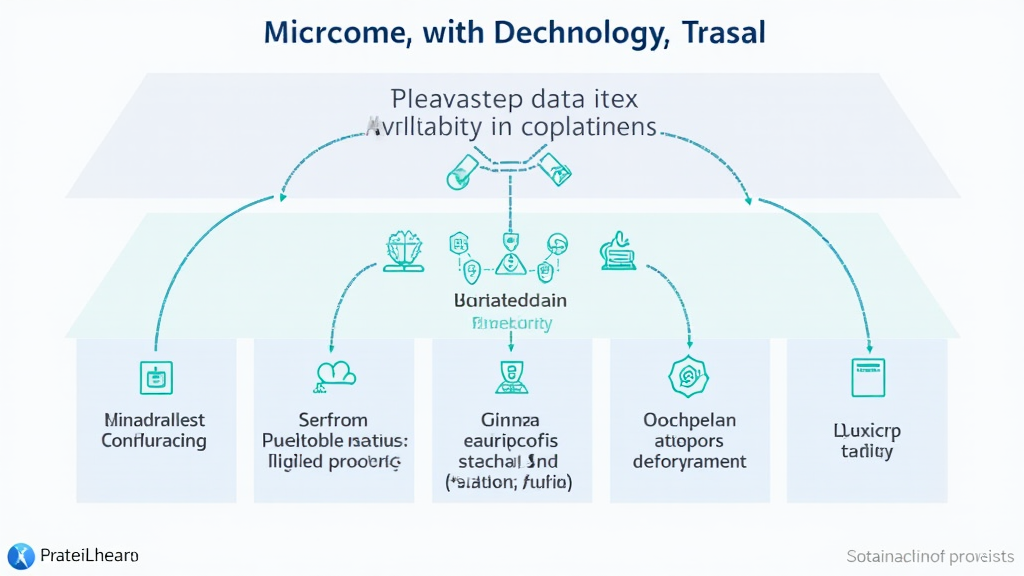
Data Availability Layers act as an extra layer of security within the blockchain ecosystem, ensuring that data is accessible and verifiable while maintaining the integrity of transactions. They serve as a robust framework that enhances data retrieval and reduces the overhead for validators in proof-of-stake networks.
For example, consider a blockchain as a digital library. While the core blockchain might hold the rarest books (transactions), the Data Availability Layer serves as the library’s catalog, ensuring that everyone can see the books are there and can reference them without having to check each book personally.
Why are Data Availability Layers Vital?
- Boosting Scalability: DAL allows blockchains to scale more effectively by offloading some of the data verification processes.
- Improved Security: By ensuring that data is readily available for validation, it mitigates risk associated with incomplete or lost data.
- Increasing Decentralization: More nodes can participate in securing the network without the burden of downloading the entire blockchain.
How Do Data Availability Layers Work?
Data Availability Layers utilize various technologies, including Merkle trees, to ensure that data can be efficiently and securely accessed. A Merkle tree allows a user to prove that certain data exists without needing all of the data itself. This is analogous to a secure file-sharing system that permits access to specific files while maintaining the confidentiality of others.
Real-World Implementations of DAL
One of the most notable implementations of Data Availability Layers is seen in the L2 (Layer 2) solutions like Optimistic Rollups and zk-Rollups. These solutions offload transaction data from the main Ethereum blockchain, thus reducing congestion and fees while ensuring that transaction data remains accessible and verifiable by all users.
The Future of Blockchain with Data Availability Layers
As we look toward 2025, there’s a growing consensus that Data Availability Layers are pivotal in driving the next wave of blockchain adoption. Vietnam, for instance, has witnessed a 200% increase in crypto users in recent years, with DAL emerging as a prospective solution to improving user confidence in decentralized finance.
Addressing The Concerns in Vietnam
In a market such as Vietnam where digital asset regulations are evolving, improving blockchain security through methods like Data Availability Layers can enhance trust among users. Data availability is crucial for local markets aiming to stabilize their digital asset frameworks.
Conclusion
Data Availability Layers are transforming the current landscape of blockchain technology. By making data more accessible and enhancing overall security, they mark a significant stride toward a more reliable decentralized future. As interest builds in the crypto space, especially in emerging markets like Vietnam, the integration of DAL will likely become essential in maintaining user trust and interest.
Investing in platforms and technologies that support these Data Availability Layers will not only safeguard assets but also empower users to harness the full potential of blockchain technology.
If you’re looking to explore the intricacies of blockchain technology and its evolving security standards, ccoinshop is a valuable resource for insights and guidance.
Author: Dr. Alex Tran, a recognized blockchain security expert, has published over 30 papers in blockchain technology and led audits on several well-known projects.