


Oracle Solutions in DeFi: A Comprehensive Overview
In 2024, the decentralized finance (DeFi) landscape underwent significant shifts, with over $4.1 billion lost due to hacks and vulnerabilities. As DeFi continues to mature, it becomes increasingly apparent that the integration of reliable data is essential for applications to thrive. One of the pivotal technologies meeting this demand is the implementation of oracle solutions in DeFi systems.
Understanding Oracle Solutions
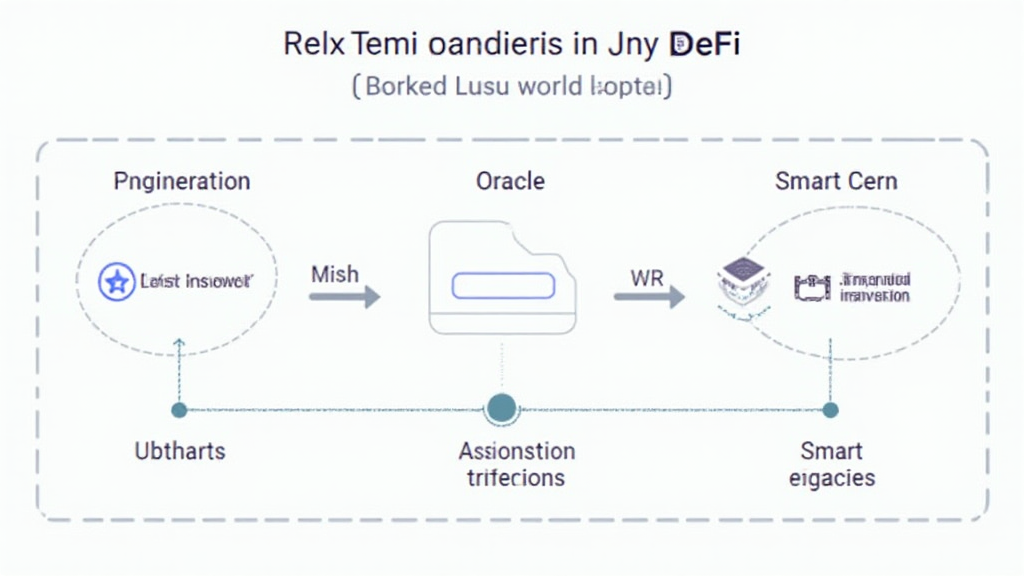
At the core of DeFi operations lies the necessity for accurate and real-time data. Here’s where oracle solutions come into play. Oracles are intermediaries that provide smart contracts with external data from the real world. They can be likened to a bank vault for digital assets, ensuring that the financial instruments built on blockchain are informed and effective.
Types of Oracles
- Centralized Oracles: These are operated by a single entity. While they can provide rapid data, they expose users to risks related to trust and security.
- Decentralized Oracles: Unlike their centralized counterparts, decentralized oracles aggregate data from multiple sources, enhancing reliability and reducing the potential for manipulation.
- Inbound and Outbound Oracles: Inbound oracles provide external data to the blockchain, while outbound oracles deliver blockchain data to external systems.
The Role of Oracles in DeFi Applications
As DeFi’s popularity expands, understanding the impact of oracle solutions becomes critical. These tools facilitate various functionalities within decentralized applications (dApps), such as providing price feeds, enhancing contract execution, and enabling seamless integration with existing financial systems.
Use Cases of Oracles in DeFi
- Price Feeds: Oracles provide accurate cryptocurrency price feeds, essential for lending and borrowing platforms such as Aave and Compound.
- Weather Data: In insurance dApps, oracles can provide data related to weather conditions for policies tied to agricultural output.
- Random Number Generation: Gaming dApps require randomness, which oracles can supply to ensure fairness in game mechanics.
Benefits of Using Oracles in DeFi
Integrating oracles into DeFi applications offers numerous advantages that align with the increasing demands of the crypto ecosystem. Here are several crucial benefits:
- Enhanced Security: Implementing decentralized oracle solutions minimizes risks associated with central point failures.
- Improved Decision Making: Reliable data leads to better contract outcomes, as smart contracts can operate with up-to-date information.
- Broader Applications: Oracles enable a wider range of use cases across multiple sectors, from finance to logistics.
The Importance of Trust in Oracle Solutions
The trustworthiness of oracle solutions significantly influences the overall security and efficiency of DeFi applications. As users increasingly rely on these solutions, understanding and assessing their credibility becomes essential.
Trust Frameworks for Oracles
Several frameworks and protocols develop trust mechanisms for oracle solutions, ensuring that data provided is both secure and reliable. For instance, Chainlink utilizes a network of decentralized nodes to validate and aggregate data, enhancing trust manipulation risks.
Challenges in Implementing Oracle Solutions
Despite the benefits, several challenges still hinder the scalability and performance of oracle solutions. Here is a breakdown of these challenges:
- Data Accuracy: Ensuring that the information sourced is legitimate, as erroneous data can lead to significant financial losses.
- Latency Issues: The time taken to retrieve data can impact the speed of transactions within DeFi dApps.
- Cost Implications: Integrating oracle services may lead to increased fees, affecting the cost structure of DeFi applications.
Future Trends in Oracle Solutions for DeFi
Looking ahead, the integration of oracle solutions within DeFi will likely evolve, adapting to address the challenges faced. Some noticeable trends include:
- Increased Decentralization: As security maintains its critical focus, we anticipate a rise in decentralized oracle providers.
- Cross-Chain Data Integration: Bridging data across various blockchain networks will become a norm, enhancing interoperability.
- Collaboration with Traditional Financial Institutions: DeFi will likely see partnerships with legacy financial systems to improve overall efficiency.
Conclusion
In the ever-evolving world of DeFi, oracle solutions are set to play an essential role in enhancing the functionality, security, and trustworthiness of decentralized applications. By providing reliable real-world data, oracles empower DeFi protocols to innovate, ultimately driving market growth and user engagement. As the market continues to mature, the sustained focus on enhancing oracle solutions will be pivotal in overcoming the barriers faced by the ecosystem.
As a reminder, when engaging with DeFi projects, always conduct thorough research and stay abreast of regulatory developments. Be cautious and consult with local regulators to ensure compliance.
For further insights and tools related to cryptocurrency and DeFi, explore ccoinshop for the latest resources.
Author: Dr. Sophia Nguyen, a prominent blockchain researcher with over 25 publications in the field and a key auditor for renowned DeFi projects.