


Introduction to Crypto Asset Classes
In 2024, the crypto world experienced losses amounting to $4.1 billion due to DeFi hacks, igniting discussions around security and investment strategies in digital assets. As the landscape evolves, understanding the various crypto asset classes becomes more critical for investors.
Crypto asset classes refer to the different categories of assets within the cryptocurrency sector, encompassing everything from Bitcoin and Ethereum to stablecoins and utility tokens. Each class serves a distinct purpose, appealing to various investor goals and risk appetites.
Why Are Crypto Asset Classes Important?
Investors today face a myriad of choices in cryptocurrency. The key to a successful investment strategy lies in understanding the nuances among these asset classes. A well-diversified crypto portfolio could potentially mitigate risks associated with this volatile market.
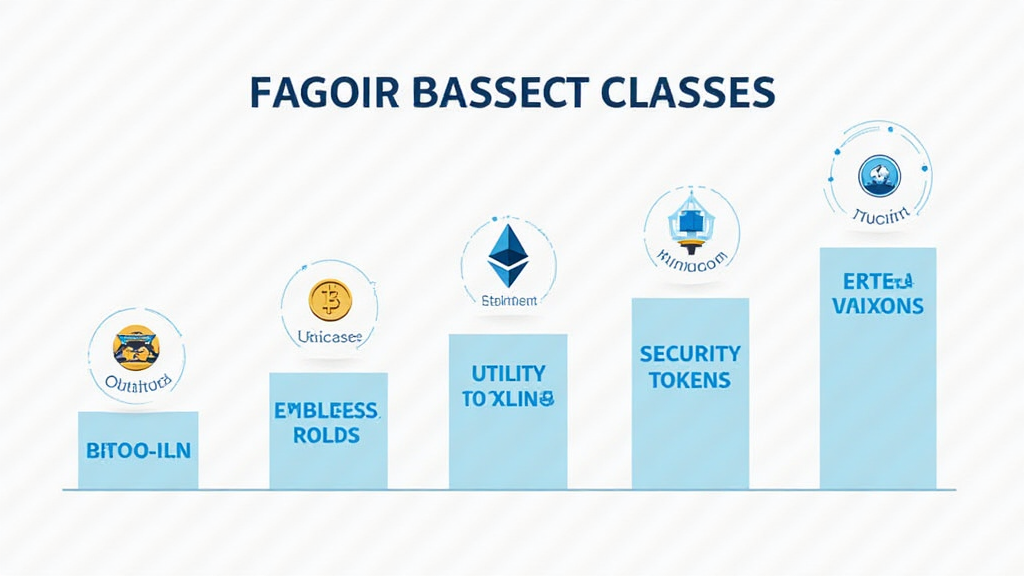
Here’s a breakdown of major crypto asset classes:
- Cryptocurrencies: Bitcoin, Ethereum, etc.
- Stablecoins: USDC, Tether. They play a crucial role in the crypto economy, offering price stability.
- Utility Tokens: Tokens that provide users access to a product or service.
- Security Tokens: Digitally represented assets that signify ownership.
- NFTs (Non-Fungible Tokens): Unique digital items verified using blockchain technology.
Security Token Overview
Security tokens are instrumental in the evolution of investment strategies. They function similarly to traditional securities but utilize blockchain technology, which offers enhanced transparency and security. According to industry data, the security token market is projected to reach $22 billion by 2025, making them a compelling area to explore for prospective investors.
How Security Tokens Work
Consider them like stocks, but for the digital age. When you purchase a security token, you gain ownership rights just like with traditional stocks. This can include rights to dividends and voting rights, depending on the token’s definition.
To provide an example, the real estate sector is leveraging security tokens to fractionalize properties, giving investors the opportunity to invest in high-value assets that were previously out of reach.
Utility Tokens: The Backbone of Blockchain Ecosystems
Utility tokens serve to fuel and facilitate transactions within specific ecosystems. Think of them as shopping vouchers in the crypto world. They provide holders with access to products or services, which adds intrinsic value beyond mere speculation.
- **Example**: Binance Coin (BNB) allows users to pay for trading fees on the Binance exchange.
- **Growth Potential**: Reports indicate that utility tokens will continue to gain traction, especially as blockchain applications expand across industries.
The Rise of DeFi Tokens
Decentralized finance (DeFi) is revolutionizing the way we view traditional banking systems. In 2023, DeFi tokens helped millions access financial services without intermediaries. Major DeFi projects like Aave and Uniswap drive financial inclusivity, presenting both opportunities and risks.
Challenges Crypto Investors Face
As exciting as the world of crypto assets can be, significant challenges loom. High volatility is often cited as a deterrent for novice investors. Understanding the fundamentals behind each type of asset class can help investors target their risk effectively.
Market Trends: Vietnam’s Increasing Crypto Adoption
Vietnam has shown a notable increase in crypto adoption, with user growth rates skyrocketing by 60% in just one year. The demand for crypto assets is becoming increasingly significant in Southeast Asia, creating unique investment opportunities.
As Vietnam continues to develop its regulatory stance, investors are keen on understanding how to audit smart contracts and the technology behind crypto assets.
The Future: What Lies Ahead for Crypto Asset Classes?
As we forge into 2025, the landscape of crypto investment will undoubtedly evolve. Technologies are becoming more robust, and with them, the sophistication of investment strategies. Whether engaging with cryptocurrencies or exploring innovative security measures, understanding tiêu chuẩn an ninh blockchain (blockchain security standards) will be crucial for investors.
Consulting Regulatory Compliance
As cryptocurrencies become mainstream, regulatory compliance should be on every investor’s radar. Proactive consultation with local regulators can minimize risks associated with potential legal liabilities.
Conclusion
In summary, understanding crypto asset classes is pivotal for any investor looking to navigate this ever-evolving landscape. By comprehensively analyzing different asset types, one can create a well-structured strategy tailored to individual risk profiles and goals.
For those ready to embark on this journey, ccoinshop is here to provide the tools and resources you need to thrive in the digital asset world. Investing wisely could lead to substantial rewards in the promising future of cryptocurrencies.
Author: Dr. Alex Carter, a recognized expert in blockchain technology with over 30 publications in the field and a leading role in several high-profile project audits.