


Unlocking the Future of Governance: Decentralized Autonomous Organizations (DAOs)
With the world witnessing a staggering loss of $4.1 billion due to DeFi hacks in 2024, it’s essential now more than ever to understand the robust frameworks that can prevent such crises. Enter Decentralized Autonomous Organizations (DAOs): the evolutionary leap in organizational governance leveraging blockchain technology.
This article not only highlights the intricacies of DAOs but also explores their implications for the crypto landscape, with a specific focus on Southeast Asia, where digital asset adoption is skyrocketing. Viet Nam, for example, has seen a user growth rate of 125% in cryptocurrency investments over the past year, a testament to an evolving financial ecosystem.
What are Decentralized Autonomous Organizations (DAOs)?
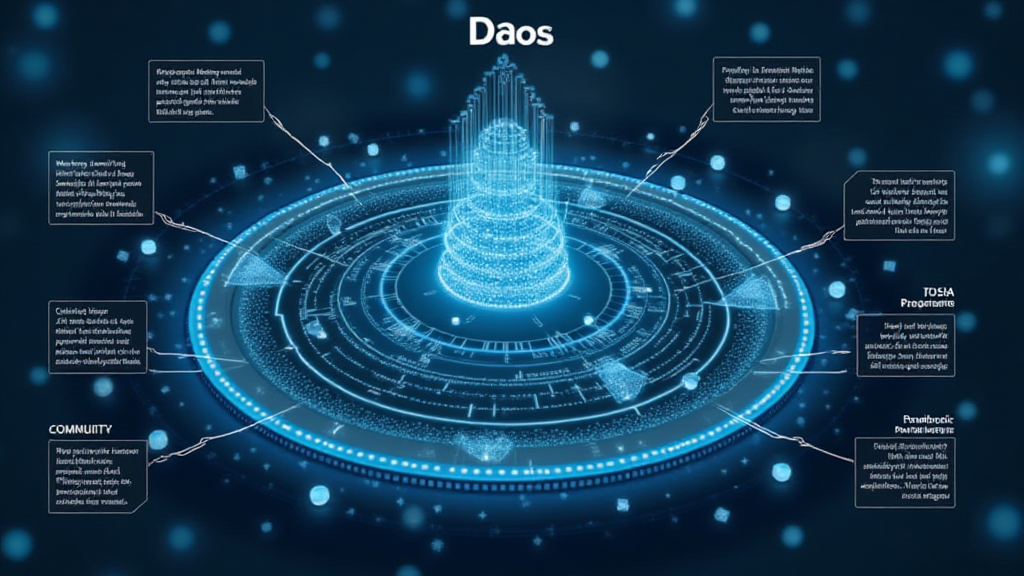
DAOs are self-governed entities run by smart contracts. Unlike traditional organizations, the decision-making process in DAOs is transparent and relies on consensus among members. Members typically hold tokens that represent their stake and influence in decisions, akin to shareholders in a corporation.
Key Features of DAOs
- Autonomy: Once deployed, DAOs operate independently, requiring minimal human intervention.
- Transparency: All transactions and governance decisions are recorded on the blockchain and are accessible for audit.
- Token-based Incentives: Participants are often incentivized through token rewards for their contributions.
How Do DAOs Function?
DAOs utilize smart contracts to automate governance processes. When a proposal is made, members vote using their tokens, and the outcome of the vote triggers a transaction on the blockchain. This is similar to a digital voting system but with elegance and security at its core.
Consensus Mechanisms in DAOs
Different DAOs can implement varying consensus mechanisms. The most common include:
- Proof of Stake: Token holders stake their tokens to endorse outcomes, similar to securing a bank’s vault.
- Delegated Voting: Members can delegate their votes to others, streamlining the decision-making process.
- Liquid Democracy: A hybrid approach enabling both direct participation and delegation.
The Benefits of DAOs in Cryptocurrency Governance
DAOs present numerous benefits that can radically transform governance in the cryptocurrency sector:
- Increased Participation: By lowering barriers to entry, more individuals can now participate in governance.
- Community Focused: DAOs put decision-making power in the hands of their users, aligning incentives towards community welfare.
- Mistrust is Minimized: Smart contracts reduce the need for trusted intermediaries, increasing the system’s trustworthiness.
The Role of Smart Contracts in DAOs
Smart contracts are the backbone of DAOs, executing predefined rules and agreements automatically when certain conditions are met. They are like digital notaries, creating a trustless environment where relationships can thrive without third-party validation.
How to Audit Smart Contracts in DAOs
Ensuring the integrity of smart contracts is crucial. Effective auditing involves:
- Static Code Analysis: Reviewing code for vulnerabilities and potential exploits.
- Dynamic Testing: Running the contracts in controlled environments to monitor behavior under various scenarios.
- Community Feedback: Engaging the community to report bugs and suggest improvements actively.
Challenges Facing DAOs
Despite their promising frameworks, DAOs also face significant hurdles, including:
- Legal Status: As the regulatory landscape is still ambiguous, DAOs often face challenges concerning their legal definitions and enforcement.
- Security Risks: Vulnerabilities in smart contracts can lead to catastrophic losses. Security practices should always be informed by metrics from forums like hibt.com.
- Governance Problems: With more voices comes the challenge of achieving consensus, sometimes leading to decision paralysis.
The Future of DAOs and Cryptocurrency Governance
As more users flock to decentralized platforms, DAOs’ importance in shaping the future will grow exponentially. The governance behind these organizations can foster innovative approaches to managing assets while creating equal opportunities for participation.
In Viet Nam, the rapid adoption of both blockchain technology and DAOs highlights a shifting landscape. With vibrant developers and an increasing number of crypto users, the country is poised to become a significant player in the DAO scene.
Furthermore, the democratic governing models represented by DAOs can pave the way for broader applications, from governing local communities to revolutionizing how businesses operate.
The Economic Impact of DAOs in Southeast Asia
According to various market studies, DAOs are likely to contribute to a more decentralized economic model in Southeast Asia. In 2025, it’s estimated that blockchain sectors in this region could see an influx of over $2 billion in investments. The growing community of online users engaging in cryptocurrency offers vast potential for DAOs to thrive.
As stakeholders become more attuned to the opportunities and risks presented by this pioneering approach, the adoption of DAOs for both governance and community incentives seems inevitable. Similar initiatives have already begun replacing traditional models in some regions.
Conclusion
DAOs represent a paradigm shift in how we think about governance and participation within the digital realm. As we advance, understanding their frameworks and potential is crucial for anyone invested in the future of cryptocurrency. The quick uptake in places like Viet Nam reflects not only market demand but also an understanding of these mechanisms’ transformative capabilities.
Whether you’re an investor, developer, or enthusiast, diving deeper into DAOs could position you at the forefront of the digital revolution. Visit ccoinshop to stay updated on blockchain trends and insights.
By embracing this decentralized model, we move a step closer to a more equitable economic landscape—a win-win for all involved.

Expert Author: Dr. Lee Nguyen
Dr. Lee Nguyen is a recognized authority in blockchain technology, having authored over 20 papers on decentralized finance and governance structures. He has also led audits for numerous high-profile blockchain projects, ensuring security and compliance standards are met extensively.