



How to Read Crypto Market Charts: A Practical Guide for Every Trader
Have you ever stared at a crypto market chart and felt completely lost? You’re not alone. Many new traders find themselves overwhelmed by the multitude of lines, candlesticks, and patterns. Here’s the deal: understanding how to read these charts is essential for making informed trading decisions. In this guide, I’ll share my firsthand experience navigating crypto charts, what tools I recommend, and the essential terms you need to know. By the end, you’ll have a solid grasp on how to read crypto market charts like a pro.
Understanding the Basics
Before diving into complex analysis, it’s crucial to understand the basic components of a crypto market chart.
Types of Charts
There are primarily three types of charts used in the crypto market:
- Line Charts: These are the simplest form of charting where a single line represents the price movement over time. Ideal for beginners looking for a basic overview.
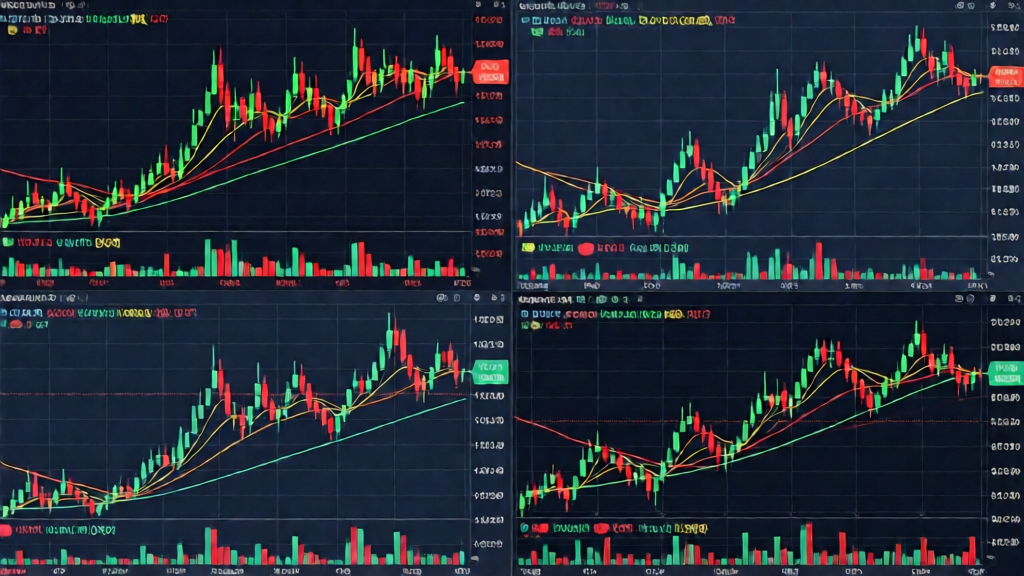
- Candlestick Charts: These provide more information as they show open, close, high, and low prices within a specific timeframe. Each “candle” tells a story of price movement.
- Bar Charts: Similar to candlestick charts, but instead of filled or unfilled candles, they use bars to display price movements.
Key Terminology
Familiarizing yourself with some common terms will aid your understanding:
- Support Level: A price level where a downtrend can be expected to pause due to a concentration of demand.
- Resistance Level: The price level at which a trend can be expected to reverse due to an increase in selling interest.
- Volume: The total amount of a cryptocurrency traded within a specific time frame, indicating market activity.
Practical Steps to Reading Crypto Market Charts
Here’s what I learned from my trading experience: breaking down your analysis into manageable steps makes the process less daunting. Let’s simulate some scenarios.
Scenario Simulation: Using a Candlestick Chart
1. **Select a Timeframe:** Start by choosing a timeframe that suits your trading style—1 hour, 4 hours, or daily.
2. **Identify Trends:** Look at the recent candlesticks: are they generally bullish (rising) or bearish (falling)?
3. **Spot Support and Resistance:** Identify key support and resistance levels. This could involve drawing horizontal lines at price levels where the price has bounced off previously.
4. **Analyze Volume:** Check if higher trading volumes accompany price movements; this indicates stronger conviction in those moves.
Real-Life Example: Trading on a Major Exchange
In my trading sessions, I often check out platforms like Binance and Coinbase. Let’s say I’m looking at Bitcoin’s (BTC) candlestick chart to determine my next move:
“After observing a series of bullish candles indicating increased buying pressure, I noticed a significant resistance level at $45,000. With the volume also rising significantly, I decided to place a buy order.”
Tools to Enhance Your Chart Reading Skills
To effectively read crypto market charts, having the right tools is key. Here are some I recommend:
- TradingView: A powerful platform for advanced charting and technical analysis with various indicators.
- CoinMarketCap: Great for getting an overall market view, including price, trading volume, and historical data.
- CryptoCompare: Provides in-depth metrics and analysis tools for traders.
Common Mistakes to Avoid
Even seasoned traders make mistakes. Here are some pitfalls to watch out for:
- Ignoring Volume: It’s essential to confirm trends with volume; otherwise, you risk making unfounded decisions.
- Overcomplicating Analysis: Keep it simple, especially if you’re just starting. Master basic trends and levels before diving into complex patterns.
- Trading Without a Plan: Always set clear goals for your trades, including stop-loss levels and take-profit points.
Advantages and Disadvantages of Chart Analysis
Pros
- Provides visual representation of price action.
- Helps in making informed trading decisions through pattern recognition.
- Can identify potential entry and exit points.
Cons
- Requires constant monitoring and analysis, which can be time-consuming.
- May lead to overthinking, causing analysis paralysis.
- Price predictions based on historical data may not always hold true due to market volatility.
FAQs About Crypto Market Charts
1. Do I need to use multiple charts?
No, but it can be beneficial. Using various types of charts can provide more insights, especially for day trading.
2. How do I identify bullish and bearish patterns?
Look for specific candlestick formations, like the bullish engulfing pattern or the bearish shooting star.
3. Is it necessary to understand all indicators?
No, focus on a few key indicators that resonate with your trading style before expanding.
Conclusion: Empower Your Trading with Chart Reading
Understanding how to read crypto market charts is an ongoing learning process. Practice, patience, and continuous education will ultimately lead you to better trading outcomes. Ready to take your trading to the next level? Learn more on ccoinshop.com!
Financial Disclaimer: The content provided in this article is for informational purposes only and should not be construed as financial advice. Always conduct your own research.