




Prevent Card Fraud: 5 Essential Security Habits for Users
Have you ever faced the frustration of having your card declined while trying to purchase the latest gadgets online? You are not alone. Many crypto users encounter issues such as payment failures, card fraud, and account compromise. The good news is that there are effective strategies that you can adopt. Here’s the deal: by implementing five essential security habits, you can significantly reduce the risk of card fraud while enjoying seamless crypto transactions.
1. Use Two-Factor Authentication (2FA)
Let’s be real; relying solely on a password is an outdated security method. Two-factor authentication (2FA) adds a vital layer of protection, especially for your crypto wallet or exchange accounts. By requiring a second verification step, such as a text message or authenticator app code, you make it much harder for unauthorized users to access your account.
How to Set Up 2FA
- Choose a reliable authenticator app like Google Authenticator or Authy.
- Enable 2FA in the security settings of your exchange or wallet.
- Follow the instructions to link your account with the authenticator app.
- Store backup codes safely, in case you lose access.
2. Monitor Transactions Regularly
Keeping a close eye on your transactions can help you spot unauthorized purchases quickly. Make it a habit to review your account statements and transaction history weekly. If anything looks off, contact your card issuer or crypto platform immediately.
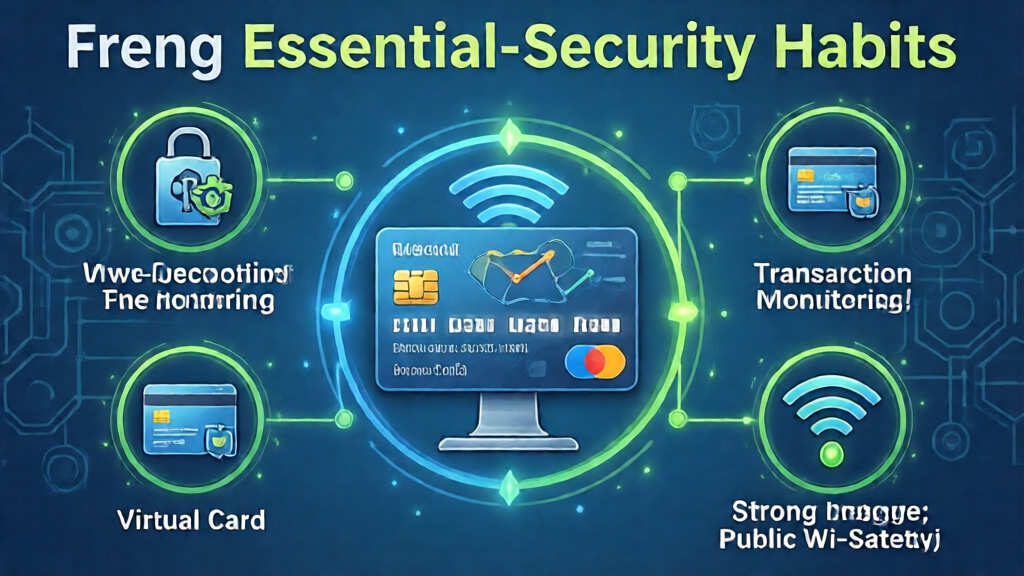
Setting Up Transaction Alerts
- Most crypto wallets and financial institutions offer alert settings.
- Enable notifications for large transactions or account logins.
- Set limits for daily spending to make fraud easier to detect.
3. Use a Virtual Card for Online Purchases
When shopping on platforms like Amazon or Netflix, consider using a virtual card. These disposable card numbers add a layer of anonymity and can help limit the scope of any potential fraud. Here’s the catch: if the online merchant is compromised, your actual card information stays safe.
Where to Get Virtual Cards
- Some banks and financial services offer virtual card options.
- Options like Privacy.com provide a platform specifically for creating virtual cards.
- Check if your crypto exchange allows the creation of virtual cards for spending.
4. Use Strong, Unique Passwords
A strong password is your first line of defense against card fraud. Avoid using easily guessable passwords or the same password across multiple platforms. Instead, create complex passwords that are unique to each account.
Password Management Tools
- Consider using a password manager like LastPass or 1Password.
- These tools can generate strong passwords and store them securely.
- Always enable two-factor authentication whenever possible to add another layer of security.
5. Be Cautious with Public Wi-Fi
Using public Wi-Fi can expose you to various security risks, making it easier for malicious actors to intercept your data. If you must use public networks, make sure you take additional precautions.
Tips for Secure Public Wi-Fi Use
- Avoid accessing sensitive accounts or conducting financial transactions on public Wi-Fi networks.
- Use a virtual private network (VPN) to encrypt your data traffic.
- Turn off file sharing and use secure websites (HTTPS) only.
Comparative Analysis
To better illustrate the effectiveness of the security habits mentioned above, we created a general comparison chart that underscores the pros and cons of each strategy:
| Security Measure | Pros | Cons |
|---|---|---|
| Two-Factor Authentication | Enhanced security, easy to set up | May be inconvenient for some users |
| Transaction Monitoring | Quick fraud detection | Requires regular effort and vigilance |
| Virtual Cards | Anonymity, limits fraud exposure | Accepted at fewer locations than real cards |
| Strong Passwords | Effective against unauthorized access | Can be hard to remember without a manager |
| Secured Public Wi-Fi Usage | Protects sensitive data | Not foolproof; still vulnerable to threats |
Real-World Payment Scenarios
To illustrate these concepts in action, let’s consider some fictitious but realistic payment scenarios:
- Apple Pay: John frequently uses his card with Apple Pay. With 2FA and transaction alerts enabled, he receives a notification about a suspicious login attempt and secures his account before any fraud occurs.
- Amazon: Sarah uses a virtual card to order a package on Amazon. Later, she notices a charge from a website she didn’t authorize. Because she used a virtual card, her main card information remains safe, limiting the potential loss.
- Netflix: Tom shares his Netflix account with family. He has a strong, unique password and uses a password manager. When his brother fails to access his account, Tom recognizes a possible compromise and updates the password.
FAQs
- What is the most effective way to prevent card fraud?
- Implementing strong security habits, such as using 2FA and monitoring transactions regularly, can help mitigate the risk of card fraud.
- Are virtual cards secure for online purchases?
- Yes, virtual cards provide anonymity and reduce the risk of exposing your actual card details during online transactions.
- How often should I change my passwords?
- It’s recommended to change your passwords every 3-6 months, especially for sensitive accounts and financial services.
Investing time in your online security is essential today. Following these five security habits can significantly lower your risk of becoming a victim of card fraud. Make sure to share these tips with your friends and family. For further guides and tools on crypto security, learn more on ccoinshop.com.
Financial Disclaimer
The information provided herein is for educational purposes only and should not be considered as financial advice. Always conduct your own research and consult with a financial advisor before making any investment decisions.


