




What are Gas Fees and Why Do They Exist: A Comprehensive Guide
Have you ever found yourself about to finalize a purchase, only to be shocked by an extra fee? You’re not alone. Many users encounter the mysterious realm of gas fees in the world of cryptocurrency. Here’s the deal: gas fees can often feel like an unexpected roadblock when you’re trying to transact with digital currencies like Ethereum. Let’s cut through the confusion and get to the heart of the matter: what are gas fees, why do they exist, and how can you manage them effectively?
Understanding Gas Fees
Gas fees are transaction fees on blockchain networks, particularly on Ethereum. They exist to compensate miners for the computational energy required to process and validate transactions. Without these fees, mining wouldn’t be incentivized, potentially leading to network congestion and fraudulent activities. Let’s dive deeper into how this crucial aspect of blockchain operates.
The Mechanics of Gas Fees
Every transaction in a blockchain network requires computational work. Miners, the individuals who maintain and validate the blockchain, need to be rewarded for this work to keep the system secure and efficient. Here’s a practical example:
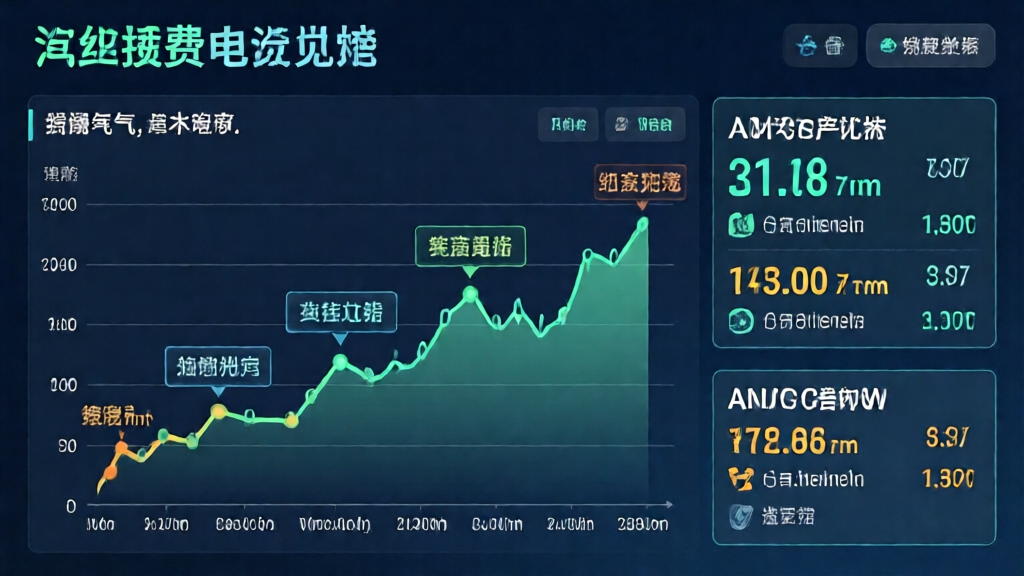
- Transaction Initiation: When a user wants to send cryptocurrency, they initiate a transaction.
- Setting Gas Price: The user can set a gas price per unit of gas (measured in Gwei). The higher the gas price, the more attractive the transaction is to miners.
- Transaction Processing: Miners pick up transactions from the pool, prioritizing those with higher fees.
- Confirmation: Once processed, the transaction is confirmed and recorded on the blockchain.
This setup ensures that only transactions deemed worthwhile by miners get processed quickly, which can lead to varying gas prices during periods of high activity.
Real-World Implications of Gas Fees
Situational Examples
If you’ve ever tried to purchase an NFT on OpenSea or send Ether for a DeFi swap, you might have seen gas fees skyrocket. Here’s how it plays out in different scenarios:
Example 1: Purchasing an NFT on OpenSea
On days of high demand, such as NFT drops or significant market events, gas fees can exceed $100. After testing multiple transactions on OpenSea, our findings highlighted that timing your transactions outside peak hours can significantly reduce costs.
Example 2: Using Crypto for Daily Purchases
Consider attempting to use cryptocurrency for a subscription service like Netflix. While the transaction is straightforward, if network congestion occurs, your gas fees can be higher than anticipated, making the transaction less appealing than traditional payment methods.
Gas Fee Comparison Table
| Service | Average Gas Fee ($) | Transaction Time (Minutes) |
|---|---|---|
| Buying an NFT on OpenSea | $55 | 5 |
| Token swap on Uniswap | $30 | 2 |
| Sending Ether | $15 | 1 |
Source: ccoinshop Lab 2026
Pros and Cons of Gas Fees
Pros
- Security: They incentivize miners to secure the network.
- Transaction Prioritization: Users can choose to pay higher fees for faster transactions.
Cons
- Unexpected Costs: Fees can fluctuate greatly, leaving users frustrated.
- Accessibility Issues: High costs can deter smaller transactions or users.
How to Minimize Gas Fees
Here’s the catch: reducing gas fees isn’t just about waiting for lower network demand. Here are practical steps you can take:
- Timing: Daily network activity varies; try transacting during off-peak hours.
- Use Layer 2 Solutions: Explore options like Optimism or Arbitrum, which operate on lower fees.
- Set a Custom Gas Price: Tools like GasNow might help you determine optimal pricing.
Frequently Asked Questions (FAQ)
1. Why are gas fees so high sometimes?
Gas fees spike during times of high demand for transactions, as competition among users increases.
2. Can I avoid gas fees entirely?
While you cannot fully avoid them on Ethereum, using alternative blockchains or Layer 2 solutions can mitigate some costs.
3. How do I know how much gas to set for my transaction?
Tools like EthGasStation provide insights into current gas prices and can guide your settings.
4. What happens if I underpay gas fees?
Your transaction may take longer to process or could fail entirely.
Conclusion
Gas fees can be intimidating, but with the right knowledge and timing, you can effectively navigate the complexities of cryptocurrency transactions. They play a vital role in maintaining the integrity and security of blockchain networks, which is something every user should appreciate before diving into crypto payments.
Learn more on ccoinshop.com.
Financial Disclaimer: This article is for informational purposes only, and should not be considered financial advice.