



Introduction: The Growing Need for Security in Blockchain
With $4.1 billion lost to DeFi hacks in 2024, the urgency for robust security standards in the blockchain space has never been more critical. As the digital currency landscape continues to evolve, so do the methods employed by hackers, making it essential for platforms like ccoinshop and its users to stay informed and proactive. This article serves to explore the current and upcoming blockchain security standards in 2025, offering insights into how they can protect both individual investors and platforms alike.
Understanding Blockchain Security
To truly appreciate the significance of security standards in blockchain, we first need to understand what blockchain security entails. It refers to the measures and protocols implemented to safeguard cryptocurrency data and networks from various vulnerabilities and threats. These include, but are not limited to:
- Data Integrity: Ensuring that transaction records cannot be altered or tampered with.
- Authentication: Verifying that users are who they claim to be.
- Confidentiality: Keeping sensitive data private and secure.
- Availability: Ensuring that the blockchain network is operational and accessible when needed.
In essence, blockchain security functions similarly to a bank vault, protecting precious assets from theft or unauthorized access.
Current Trends in Blockchain Security
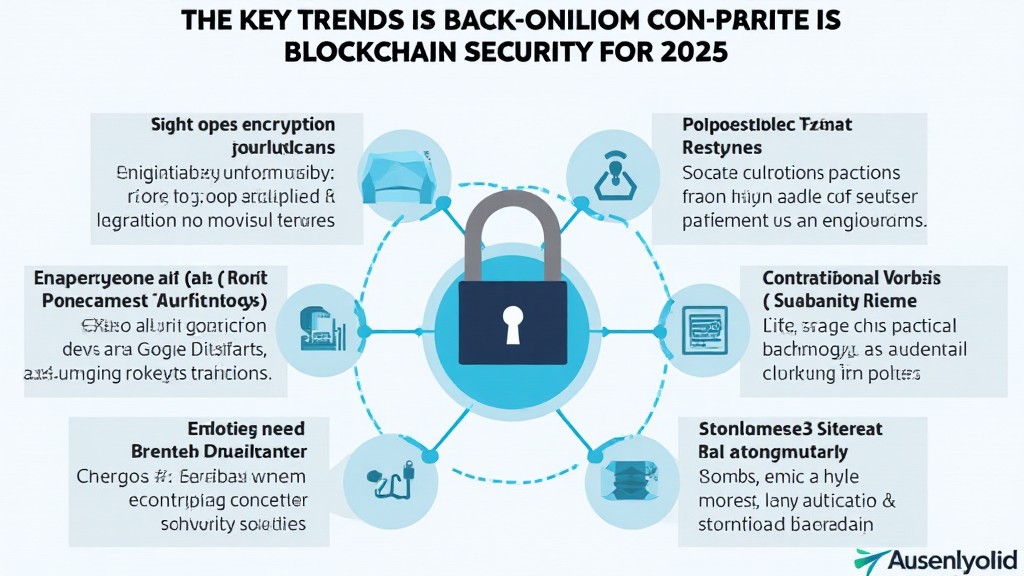
As we progress into 2025, several trends are shaping the future of blockchain security:
- Enhanced Encryption Technologies: Innovations in cryptography are set to raise standards for security in blockchain applications.
- Decentralized Identity Solutions: These systems provide users with greater control of their personal data, reducing risks associated with data breaches.
- AI and Machine Learning: The use of artificial intelligence can identify patterns of fraudulent activities, allowing for faster responses to potential threats.
For example, according to a report from Hibt.com, the introduction of quantum-resistant security measures is forecasted to become a priority for blockchain providers.
Potential Vulnerabilities in Consensus Mechanisms
One of the pillars of blockchain technology is its consensus mechanism, which ensures that all participants in the network agree on the validity of transactions. However, these mechanisms are not without vulnerabilities:
- 51% Attack: If an entity gains control of more than 50% of a network, it can manipulate transactions.
- Sybil Attacks: This involves creating multiple identities to gain unfair influence over the network.
- Long-Range Attacks: Potential attackers could create alternative transaction histories starting from a point far back in time.
To mitigate these risks, platforms need to adopt advanced protocols that enhance the security surrounding consensus methods.
The Role of Smart Contract Audits
Smart contracts, self-executing contracts with the terms of the agreement directly written into code, are another area where security must be prioritized. Auditing smart contracts is crucial for identifying potential vulnerabilities before deployment. Here’s how audits add a layer of protection:
- Detecting Bugs: Audits can help identify coding errors that could lead to financial losses.
- Ensuring Compliance: Proper audits verify that smart contracts comply with relevant regulations.
- Testing for Attack Scenarios: Auditors test for various attack vectors that might exploit the contract’s logic.
Let’s break it down further: consider a smart contract without an audit as a house without a security system — it may function, but it’s susceptible to burglary.
Local Context: Vietnam’s Emerging Crypto Market
As we analyze the implications of blockchain security, it’s pivotal to consider the local context, especially in rapidly evolving markets like Vietnam. According to recent statistics, Vietnam experienced a 300% growth rate in cryptocurrency adoption over the past year, with an increasing number of users seeking secure platforms to trade digital assets.
Moreover, the introduction of regulations aimed at enhancing tiêu chuẩn an ninh blockchain (blockchain security standards) highlights the government’s commitment to safeguarding investors. This presents a prime opportunity for platforms like ccoinshop to establish themselves as trustworthy outlets in the region.
Conclusion: Moving Towards a Secure Blockchain Future
As we look towards 2025, the importance of robust blockchain security standards is clear. With continuous innovation and heightened awareness of security risks, both users and providers must prioritize safeguarding digital assets. By focusing on solid encryption, understanding consensus vulnerabilities, and ensuring that smart contracts are audited thoroughly, users can enjoy peace of mind when engaging in cryptocurrencies.
By adopting these measures, we can create a thriving, secure ecosystem around blockchain technology. As a user, make sure you’re always informed, and choose platforms that prioritize your security, such as ccoinshop.
Author: Dr. Alex Nguyen, PhD in Blockchain Technology, with over 15 published papers in the field and a lead auditor for prominent blockchain projects.


