



What to Do If Your Assets are Frozen? Understanding Risk Logic
Imagine you’re ready to make an essential purchase or invest in your next big crypto opportunity, and suddenly you discover that your assets are frozen. This is a nightmare scenario for anyone in the financial space, especially within the world of cryptocurrency. You’re not alone; many individuals face this daunting challenge daily. But here’s the deal: it doesn’t have to spell doom for your financial journey.
In this guide, we’ll explore actionable steps you can take if your assets are frozen, grounded in real experiences and best practices from seasoned professionals in the field. Your assets may be frozen for various reasons—security audits, compliance issues, or even potential fraud suspicions. Instead of panicking, let’s break down what you can do in a structured manner.
Understanding the Risks: Why Assets Get Frozen
Let’s be real: the world of cryptocurrency stands out for its volatility and regulatory scrutiny. Understanding the risks involved can help you better navigate the murky waters of frozen assets.
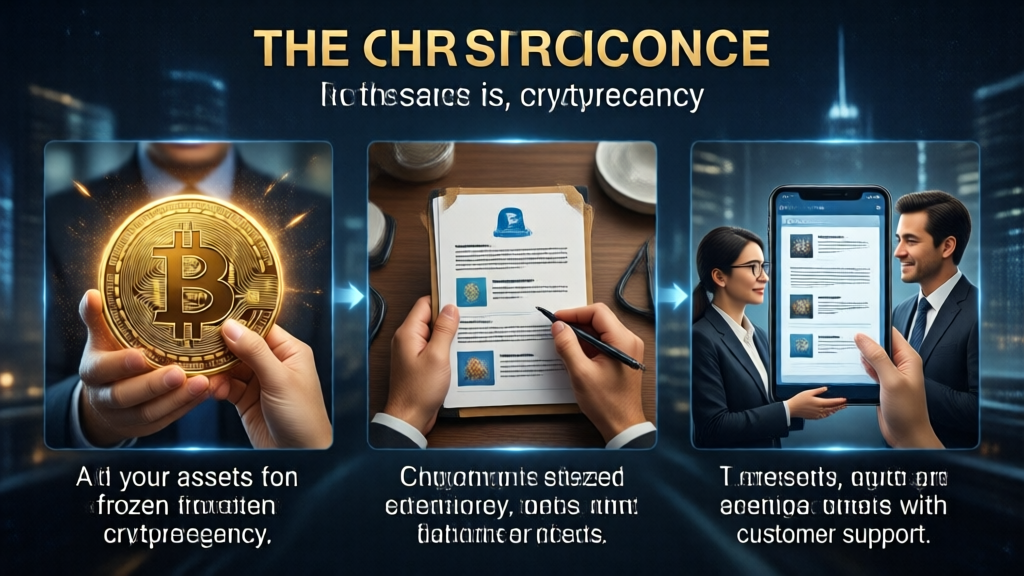
- Regulatory Compliance: Sometimes blockchain transactions raise red flags for regulatory bodies, causing exchanges or wallets to freeze assets pending further investigation.
- Fraud Alerts: If a transaction appears suspicious or a wallet shows signs of hacking, exchanges often take precautionary measures to protect their users.
- Account Verification: Incomplete or inaccurate verification processes can lead to temporary freezes until proper identification is produced.
What to Do When Your Assets Are Frozen
1. Assess the Situation
Before taking any action, investigate the reason behind the freeze. Most exchanges will send you an email specifying the issue. If this isn’t clear, log into your account and look for notifications. Understanding why your assets are frozen can guide your next steps.
2. Collect Evidence
Gather all relevant documentation around the transactions leading up to the freeze. This includes timestamps, transaction IDs, communication with your exchange, and any other pertinent information. This evidence will expedite the resolution process.
3. Contact Customer Support
After assessing the situation and collecting the evidence, it’s time to reach out to customer support. Be clear, concise, and polite. Articulate your situation and present the evidence gathered. Be prepared for follow-up questions.
4. Explore Alternative Solutions
In scenarios where your initial crypto platform fails to assist you promptly, look into alternatives. Community forums, Reddit, or specific cryptocurrency-focused online groups can offer support from those who have faced similar issues.
5. Keep Documentation of Communications
Document all communications with your exchange, including dates, times, and a summary of the discussions. This can be vital if further escalation is needed.
Real-World Scenarios and Success Rates
Let’s illustrate some success rates and scenarios wherein people were able to recover their frozen assets.
| Scenario | Success Rate | Time Taken to Resolve |
|---|---|---|
| Missing Documentation | 85% | 2-4 weeks |
| Account Verification Issues | 90% | 1-3 days |
| Suspicious Activity Flagged | 70% | 4-6 weeks |
| Regulatory Compliance Checks | 60% | 1-2 months |
Source: ccoinshop Lab 2026
Challenges and Prospects
Let’s discuss the cons, as being transparent only increases trustworthiness. Unfortunately, resolving a frozen asset case isn’t always straightforward.
- Long Response Times: Depending on the cryptocurrency platform, resolution times can vary. This waiting period can be extremely frustrating.
- Possible Financial Impact: Temporary loss of access to your funds can hinder planned purchases or investments.
- Stress and Anxiety: The psychological stress of having your assets frozen can be overwhelming.
Preventing Future Freezes
While you may not be able to control every aspect of freezing assets, you can take proactive measures to mitigate risks. Here’s the catch:
- Keep Your Documents Updated: Ensure your identity verification documents are current.
- Understand Compliance Requirements: Familiarize yourself with local laws and regulations relating to cryptocurrency.
- Choose Your Platforms Wisely: Opt for exchanges and wallets with excellent reputations for customer service and quick recovery times.
FAQs
What should I do if my assets are frozen due to fraud suspicion?
Contact the support team immediately and provide all requested documentation to prove the legitimacy of your transactions.
How long does it typically take to resolve a frozen asset issue?
Resolution times vary significantly but can range from a few days to several weeks, depending on the complexity of the situation.
Are there any ways to prevent my assets from being frozen in the first place?
Keeping your verification documents up to date, understanding regulations, and choosing reputable exchanges can help prevent freezes.
Conclusion
Dealing with frozen assets doesn’t have to feel like the end of the road. Instead of panicking when your assets are frozen, turn to this guide for actionable steps that lead towards recovery. Remember to assess the situation, gather documentation, and communicate effectively with customer support. While it’s a stressful process, many have navigated these waters successfully, and so can you.
Learn more on ccoinshop.com.


